Sharad Navaratri – Embracing the Ishta Dev and Conquering the Evil Within
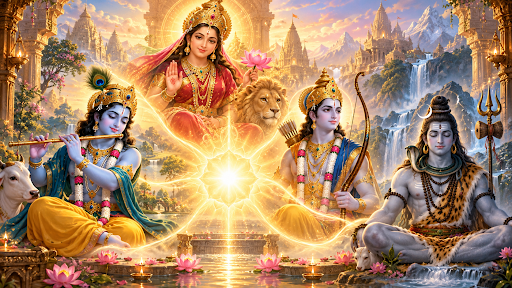
Sanatana Dharma teaches that the Supreme Divine is One, manifesting in many forms so every devotee can connect with God through love and devotion. By discovering one’s Ishta Dev (chosen form of the Divine) and recognizing that same Divine presence in all forms, seekers can experience the unity underlying diversity. As we grow closer to the Divine through devotion and spiritual practice, inner disturbances like anger, jealousy, and anxiety gradually diminish, leading us toward lasting peace.
Sharad Navaratri – Awakening to the Divine Peace Within
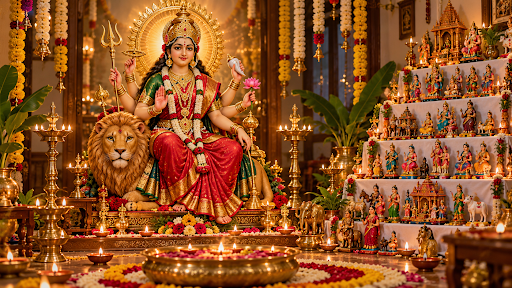
Navaratri celebrates the victory of the Divine over Evil, reminding us to overcome inner disturbances and move toward lasting peace. Sanatana Dharma teaches that the Divine Mother abides in all beings in the form of peace, making peace a sacred expression of the Divine. Although people often seek happiness through worldly achievements and relationships, the deeper longing behind these pursuits is for lasting peace and, ultimately, God.
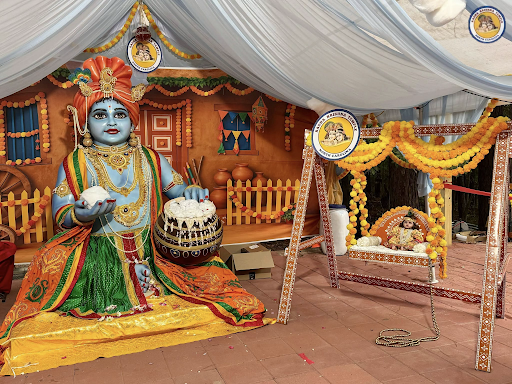
Janmashtami Celebration at the Radha Krishna Temple of North Carolina
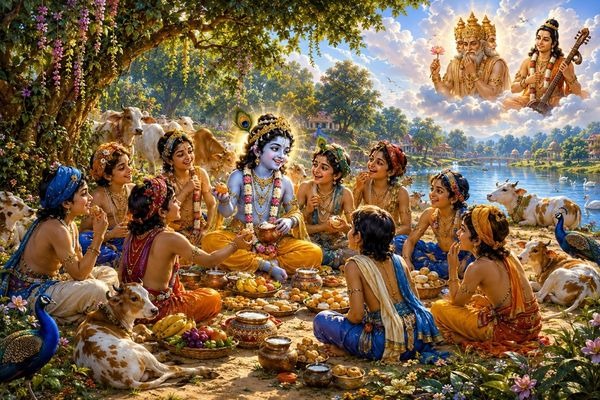
From September 4–6, 2026, JKYog’s Radha Krishna Temple of North Carolina celebrated Janmashtami with three days of vibrant devotion, cultural programs, and joyful festivities. From Krishna Janam, Bhajan Jamming, Bal Mukund Darshan, Dahi Handi, and Nauka Vihar to Braj Leela Jhankis and children’s performances, every activity brought the divine world of Braj to life. The celebration concluded with soulful Satsang and sankirtan, bringing the community together in devotion, remembrance, and heartfelt love for Shree Radha-Krishna.
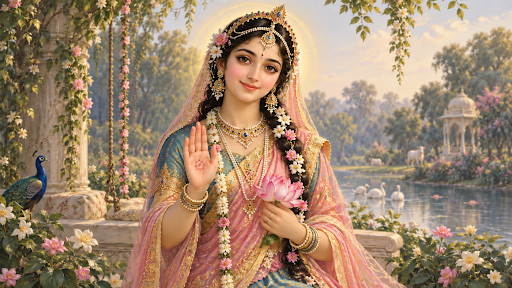
Radhashtami2026: who is radharani
Shree Radha is Krishna’s eternal hlādinī-shakti (divine bliss-giving power)—not separate from Him, yet manifesting as Her own divine form. She is the embodiment of selfless divine love (Prem), whose grace guides souls toward loving service of Shree Krishna. This Radhashtami, we celebrate Her eternal divinity, boundless love, and causeless grace, praying for a heart filled with devotion and selfless love.
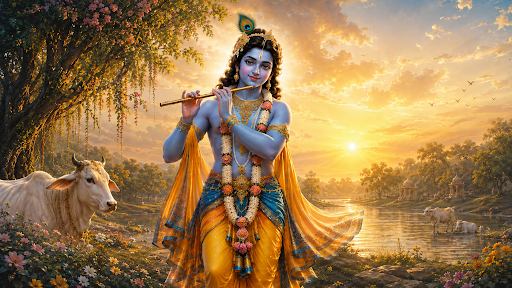
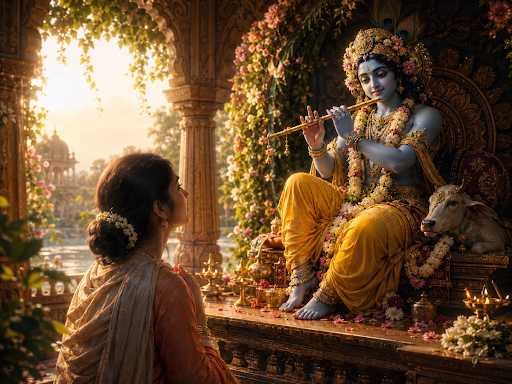
Janmashtami Special: How to Increase Your Love for Krishna?
Krishna becomes truly dear to us when we move beyond worshipping Him and cultivate a personal relationship with Him through love, service, friendship, and remembrance. This Janmashtami, immerse your heart in Krishna’s names, forms, qualities, and leelas, and discover the joy of making Him a cherished part of your everyday life.
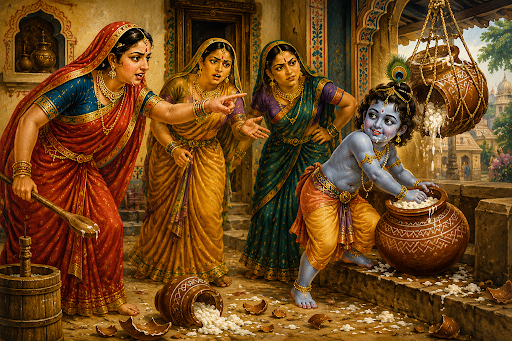
Janmashtami Special: Why Did Krishna Steal Butter When Everything Belonged to Him?
Why did Krishna steal butter from the gopis? Now, before we go there…. Behind Krishna’s enchanting butter-stealing leela lies profound wisdom for our spiritual journey. What does the love of the Gopis reveal about our attachments, the inner struggles they create, and what it truly means to surrender to God?
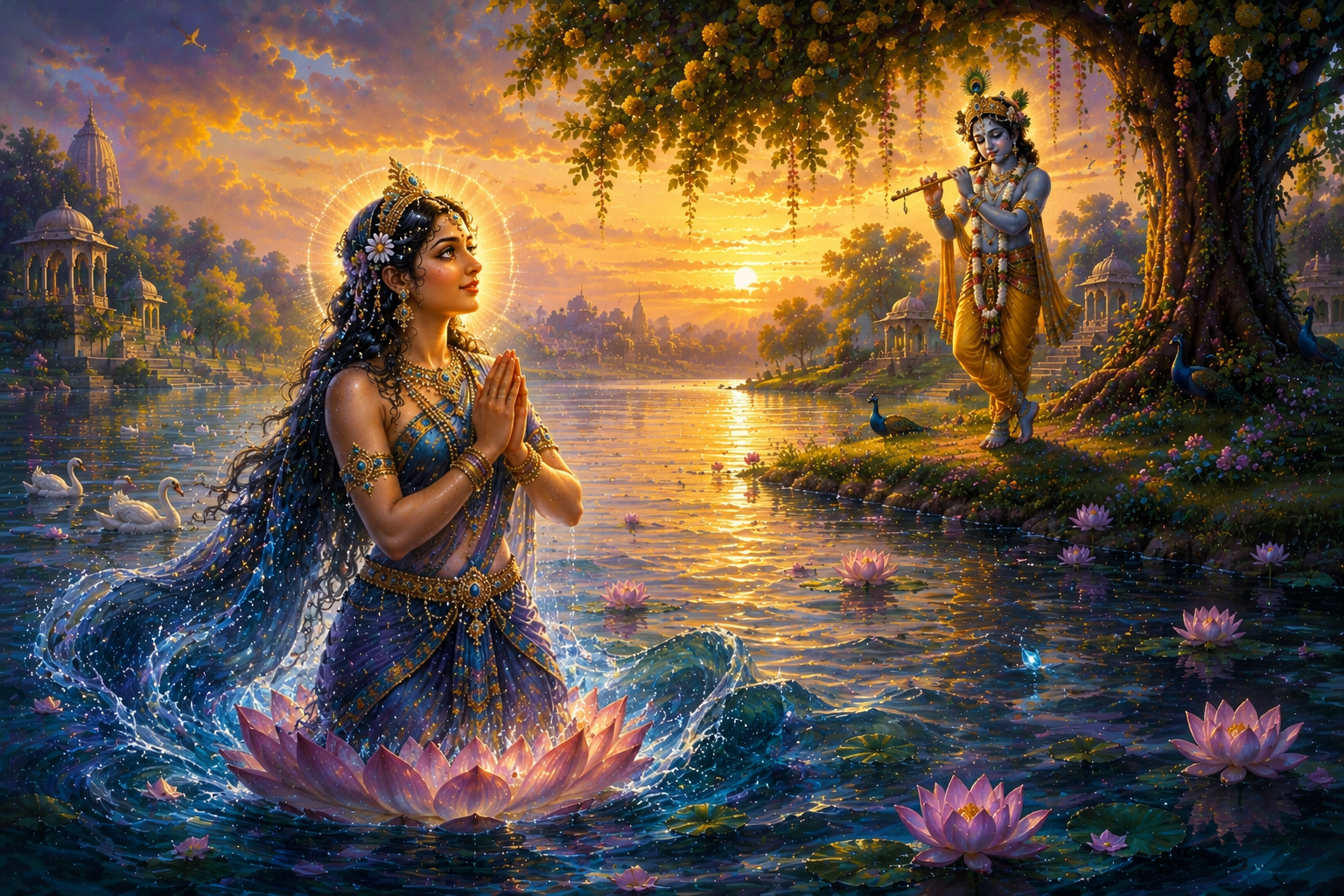
Yamuna Devi, The Eternal Devotee of Shree Krishna
Yamuna Devi is far more than a sacred river flowing through landscapes of earth and history; she is an intimate, eternal consort of Lord Shri Krishna. Out of an intense, infinite love for the Lord, she chose to manifest her presence in the material world to actively participate in and sweeten His earthly pastimes. Her deep, shimmering dark waters are a literal reflection of her devotion, beautifully mirroring the cloud-like, mesmerizing complexion of Shyamsundar Himself.
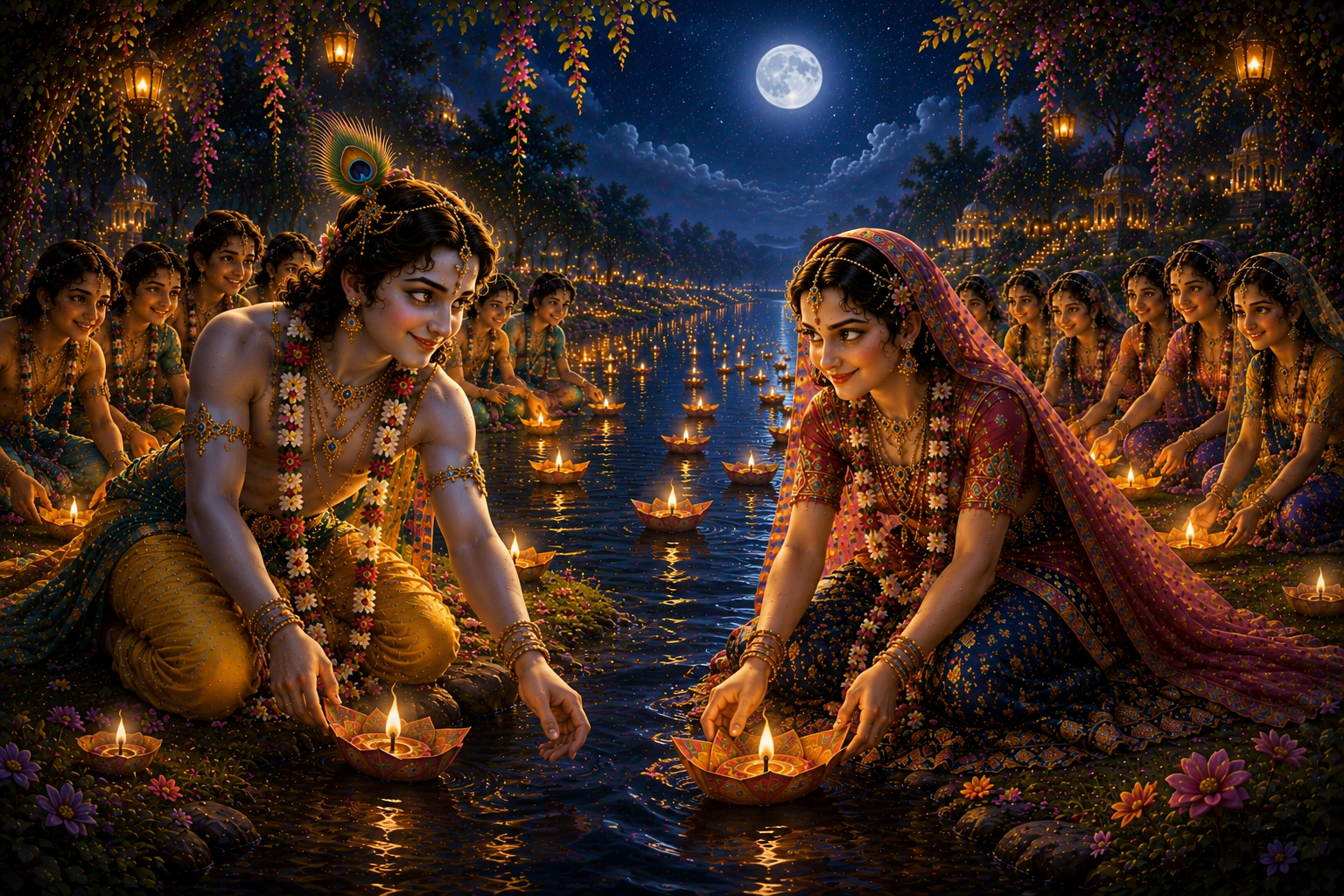
Radha and Krishna Celebrating Diwali on the Banks of Yamuna Maa
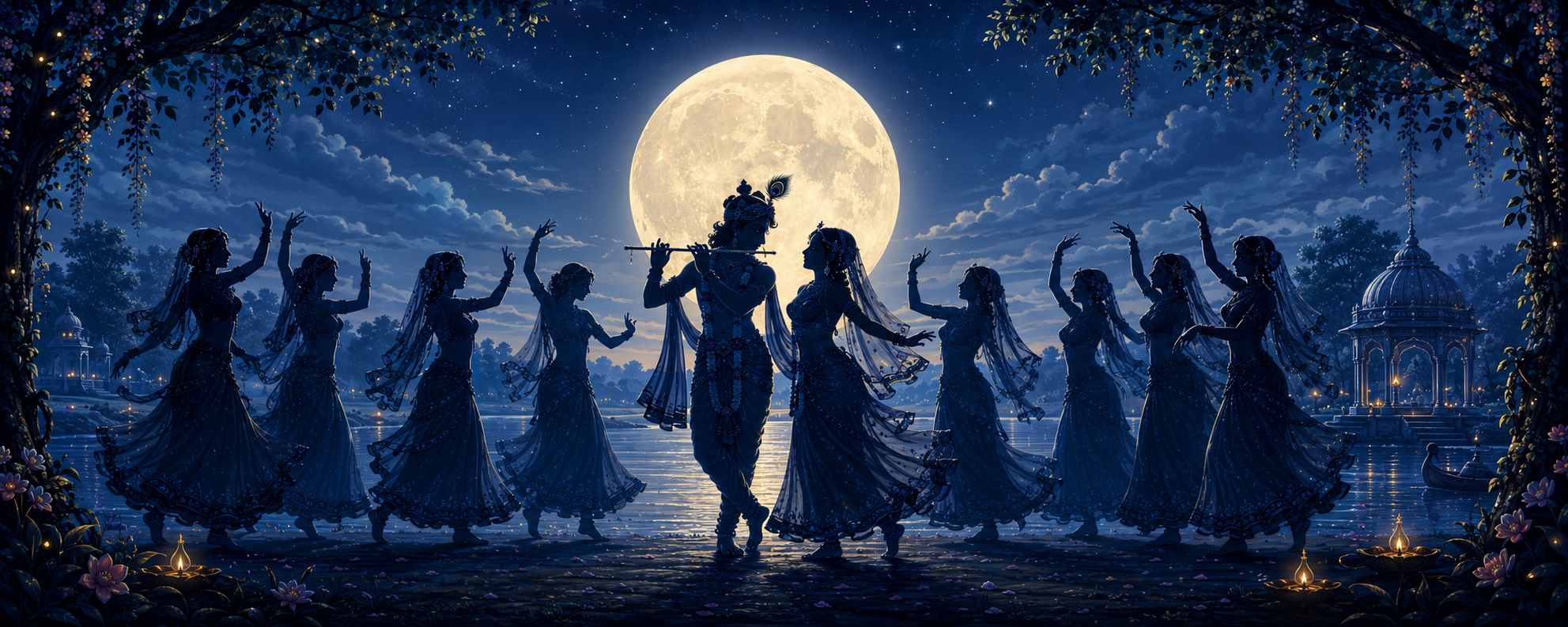
Five thousand years ago, during the Dwapara Yuga, the festival of Diwali was celebrated with immense joy in the land of Braj. In Nandagaon, the palace of Nanda Baba and Yashoda Maiya was washed clean and decorated for the occasion. Shree Krishna sat between His parents on the royal throne, wearing beautiful new clothes and distributing sweets to the steady stream of Brajvasis who came to visit. For the people of Braj, Krishna was their own beloved child. They lifted Him into their laps and held His small hands, while the Supreme Lord completely reciprocated their simple, pure affection.
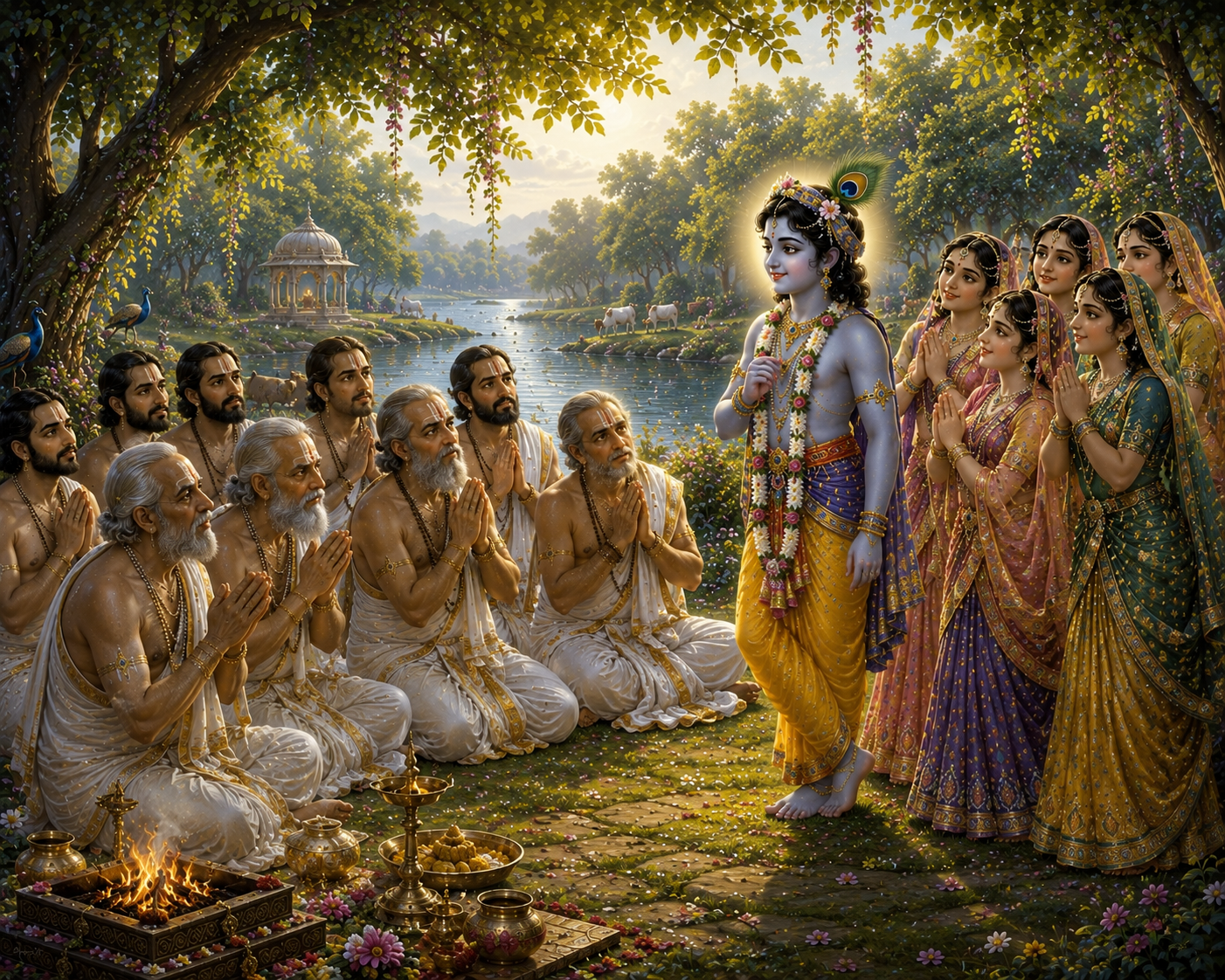
Shree Krishna Honoring the Brahmin Wives Devotion
Sacred banks of the River Yamuna served as the stage for many contrasts in Vraja. Her waters were used for grand, formal rituals by scholars seeking the Divine through complex ceremonies, yet they also cooled the feet of Shree Krishna as He wandered through the nearby groves.